
English| EUR
Suggested for you
More currencies
Choose a language
The Ganges keeps its own clock in Varanasi, and the river traffic follows it closely. Sailings cluster around first light and again as the Aarti lamps are lit, leaving long quiet stretches in between. This varanasi cruise timing guide maps the operating day so arrival plans can be built around the water, not guessed at.
Quick answer
Cruises operate daily from 07:00 to 20:30 at the Alaknanda Cruise Jetty, with sailings spread across that window rather than running on a single fixed hour. Demand concentrates at dawn and again before the evening Ganga Aarti. Standard experiences start from 1,000 INR per person. River conditions during monsoon swells can shorten the operating day without notice.
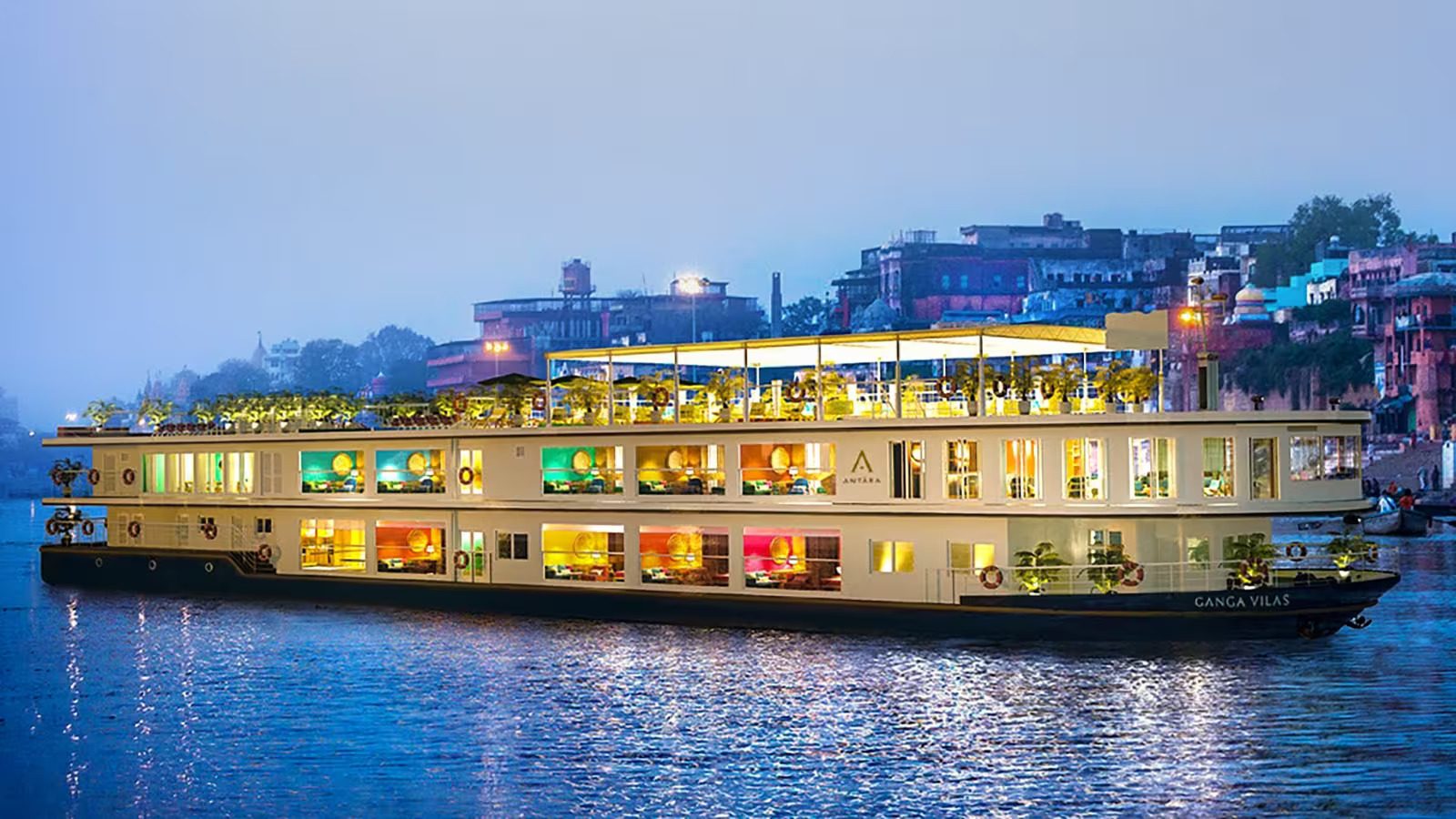
Varanasi is often described as one of the oldest continuously inhabited cities on earth, yet the most reliable timekeeper along its waterfront is not a clock but the sun striking the eastern bank. The ghats face east, which means the river gives up its best light early and again at dusk. Every schedule on this stretch of the Ganges is shaped by that geometry. Understanding varanasi cruise timing begins with accepting that the water, the light and the ritual calendar set the rhythm long before any timetable does. The operating day runs long and runs every day of the week, from early morning through late evening, without a weekly closure to plan around. That consistency is unusual and it changes how a visit should be approached. Rather than hunting for the one day the jetty is open, travellers choose between two very different experiences separated by a dozen hours. The dawn sailing moves past bathers, priests performing surya namaskar and the smoke of Manikarnika drifting low over the water. The evening sailing points toward Dashashwamedh Ghat, where the Ganga Aarti unfolds in tiered brass lamps and bell-clash, best watched from midstream where the whole row of platforms reads as a single lit stage. Between those bookends the river flattens into a working waterway of ferries, laundry and kite strings, pleasant but less theatrical. Context explains why the schedule behaves as it does. Water level governs everything. The Ganges rises through the monsoon and can swallow the lower steps at Sant Ravidas Ghat, Assi and Kedar entirely, which compresses boarding points and occasionally trims the usable end of the day. By autumn the river has drawn back and the full operating window is dependable again, making October through March the steadiest stretch for a Ganges river cruise. Festival dates add their own distortion. Dev Deepawali, Kartik Purnima and Mahashivratri draw enormous crowds to the waterfront, and demand for an evening Varanasi Ganges tour on those nights outstrips any ordinary night of the year. Local boatmen still speak of the river in terms of ghat names rather than hours, which is why asking for a sailing by landmark is often more useful than asking for one by minute. What to do with this information is straightforward. Decide first which half of the day matters: ritual bathing and clear morning light, or lamps, chanting and the slow shift from blue hour to full dark. Anchor the rest of the itinerary around that choice, because both ends of the day compete directly with the walk through Vishwanath Gali, the Sarnath excursion and the long sit-down meals Varanasi rewards. Confirm the specific departure slot in advance rather than arriving on spec, since the popular windows thin out quickly in peak season and the jetty is a short drive south of the main ghat cluster. Checked against the operator's published schedule, varanasi cruise timing holds steady year-round, but the slot that suits a given traveller is a narrower target than the operating day suggests. Book the window, then let the river do the rest.
“The ghats face east, which means the river gives up its best light early and again at dusk.”
The recommended arrival window is 07:00–18:00 to capitalize on optimal lighting for observing morning rituals and the evening Ganga Aarti from the river. Arriving within this timeframe ensures clear visibility of the ghats and the varied river activity.
Mild temperatures 15°C to 28°C
Clear skies provide visibility for photography and ritual observation.
High heat 30°C to 45°C
Hot conditions necessitate early morning or late afternoon travel.
Humid with monsoon rain
River levels rise during this period, affecting water visibility.
—
Early departures offer quiet passage and soft light for viewing the ghats.
Verdict: For the most consistent lighting and climate, plan your arrival between 07:00 and 18:00 during the cooler months of October or November.
Timing a Ganges cruise works best when a few steps are settled in advance rather than at the jetty.
Everything you need to know about varanasi cruise timing