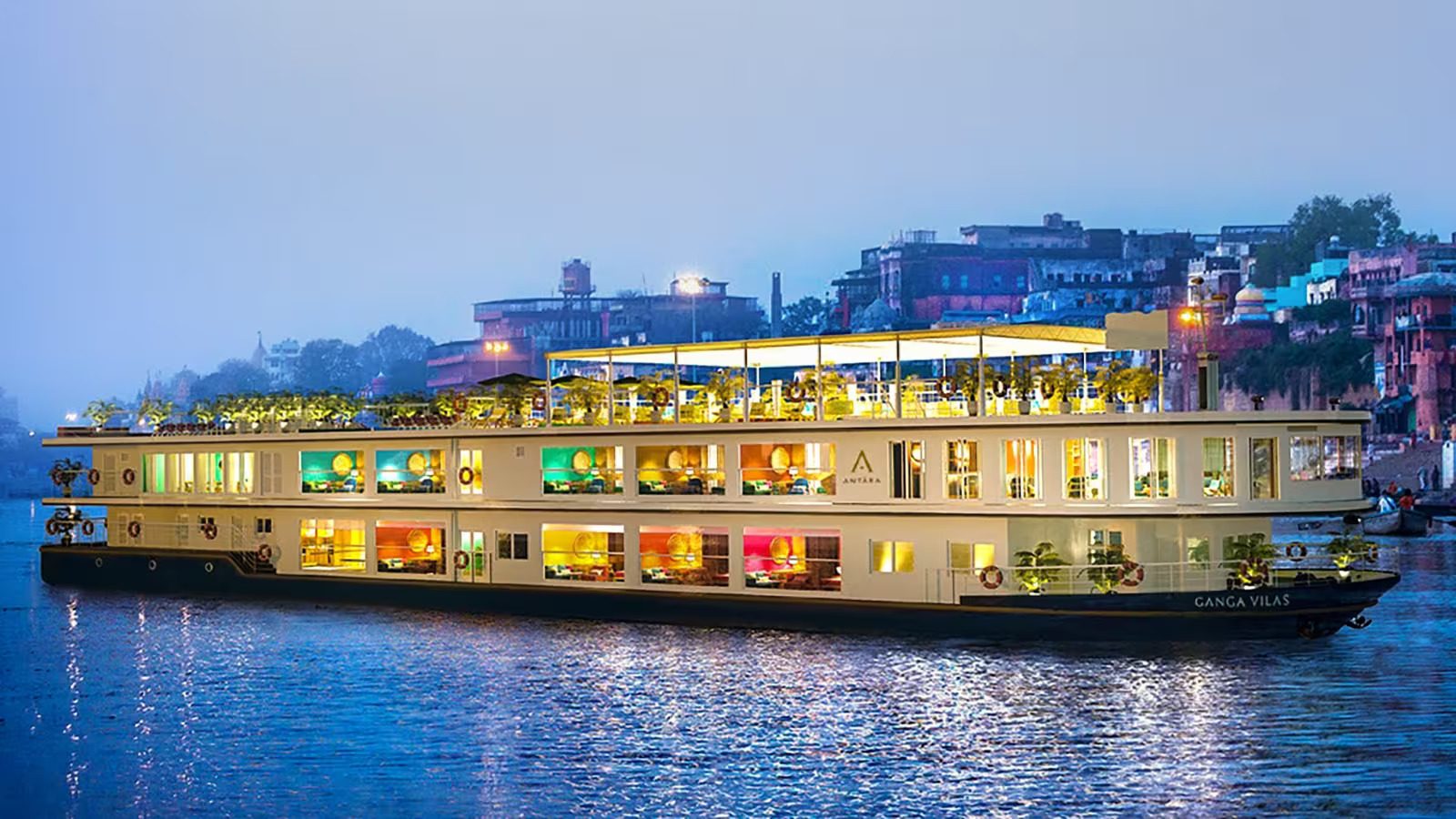
Upper Deck Bow
Dawn or dusk
Provides an unobstructed panoramic view of the riverfront ghats as the cruise navigates the Ganges.

The Ganges River from a moving boat presents unique photographic challenges and unmatched opportunities to capture Varanasi's ritual life. Light shifts rapidly between dawn and dusk, ghats reveal different moods from the water, and the aarti ceremony creates movement and fire against darkening stone. This guide covers the practical elements that determine whether you return with compelling images or missed moments.
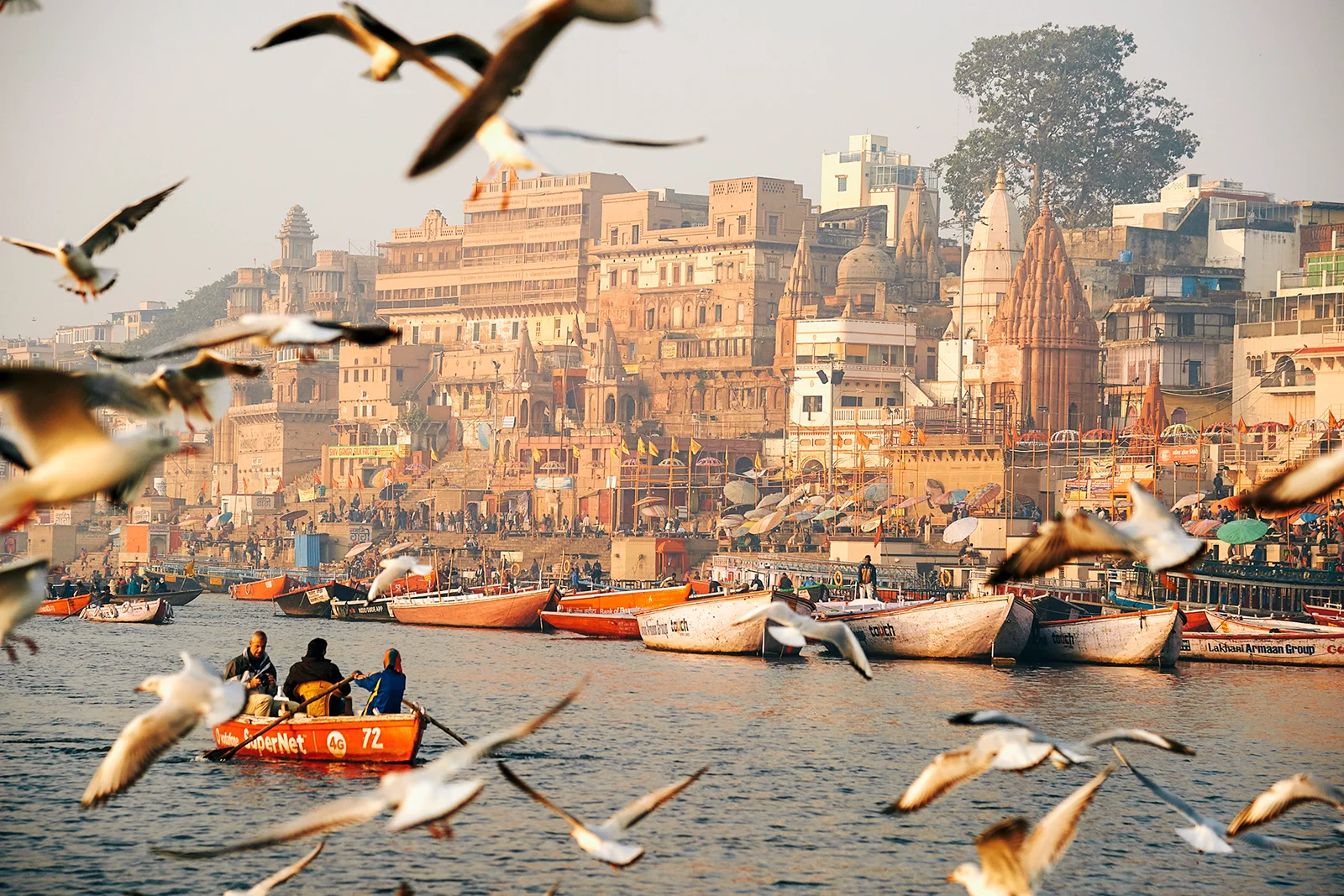
Quick answer
The best varanasi cruise photos are taken during the early morning departure window (09:00-10:00) when sunrise light illuminates the eastern ghats and pilgrims descend for ritual bathing, or during evening sailings (18:00-20:00) when the Dashashwamedh Ghat aarti creates fire, smoke, and dramatic silhouettes. A cruise departing from Sant Ravidas Ghat costs 1,000 INR and operates daily from 09:00 to 20:00, giving photographers access to both golden hours and the full arc of riverfront activity.
Eighty-seven ghats line five kilometers of the Ganges waterfront in Varanasi, and only from a boat does their cumulative architecture—staircases, temples, cremation platforms, bathing pavilions—read as a single continuous plane. Photographers working from a moving vessel face three constraints that land-based shooting does not: the boat drifts and rocks, distance to shore varies unpredictably, and you cannot reposition for a second attempt at a fleeting moment. Shutter speed becomes critical. The Ganges reflects enough ambient light at dawn to allow handheld shooting at 1/250 second or faster with ISO 800-1600, but once the boat turns back toward darker western ghats or the sun climbs overhead, contrast flattens and haze obscures detail. The window for clear, dimensional shots of ghat architecture runs roughly thirty minutes after sunrise and forty minutes before sunset. Outside those brackets, you are photographing silhouettes, smoke, or the interplay of natural and firelight during aarti rather than stone and color. Composition from the water rewards wide-angle lenses that can hold both ghat architecture and river context in a single frame, but a 70-200mm zoom proves more versatile for isolating figures, laundry, and ritual gestures against the stone backdrop. Varanasi cruise photos that convey scale and human activity typically include at least one identifiable element—a sadhu, a silk sari, a clay lamp, a funeral pyre—anchoring the frame. The river itself, brown and opaque, functions as negative space. Aarti ceremonies along Dashashwamedh Ghat unfold after 18:00, and photographing them from the water means working with movement, low light, and flames that overexpose easily. A cruise timed to arrive during aarti allows unobstructed sightlines and eliminates the crowd density that limits angles from shore, but fire and smoke produce inconsistent exposures. Bracket your shots or use a camera with strong dynamic range recovery. Departures from Sant Ravidas Ghat place you upstream of the central burning ghats and the main aarti site, so the route typically flows north past Assi Ghat, then returns south along the cremation zone and the temple clusters. The boat does not stop. Budget at least ninety minutes on the water if you want both sunrise ghat light and a slower pass along the ritual zones as morning activity peaks.
“Only from a boat does the cumulative architecture of eighty-seven ghats read as a single continuous plane.”
Dawn or dusk
Provides an unobstructed panoramic view of the riverfront ghats as the cruise navigates the Ganges.
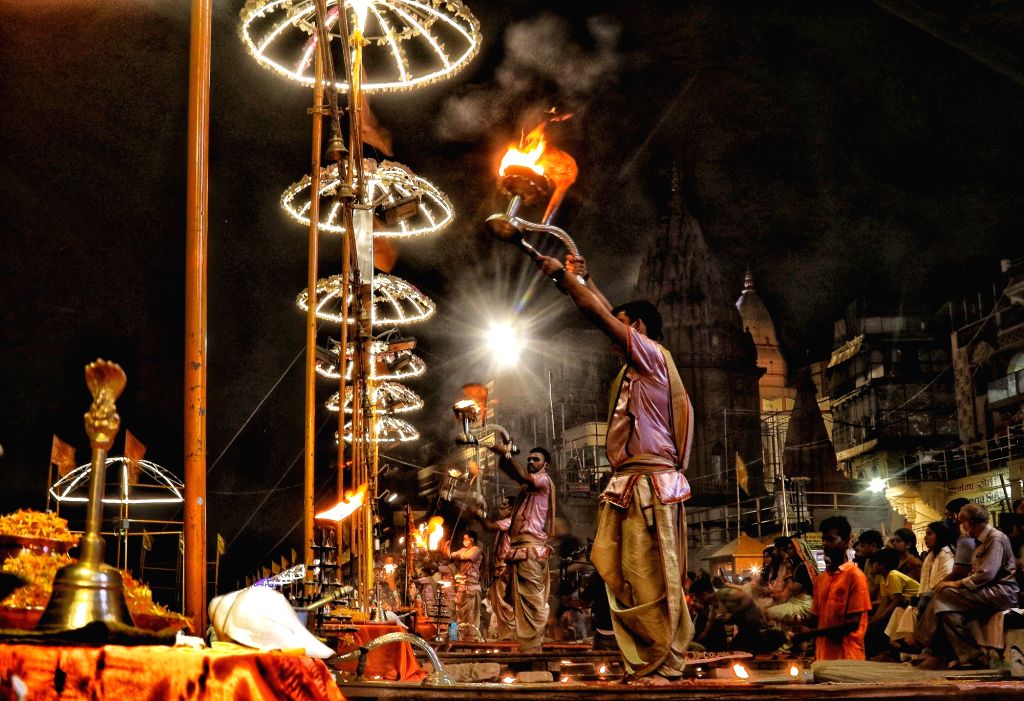
Evening Aarti
Position yourself along the side railing to capture the evening ceremony lights and silhouettes.
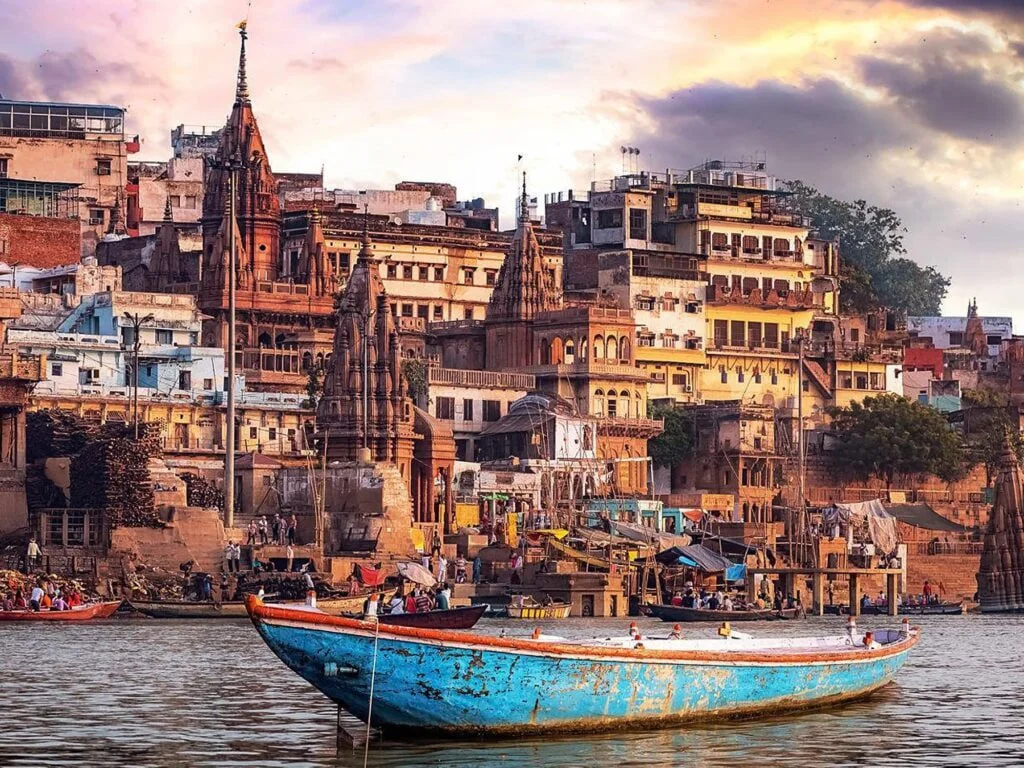
Daylight hours
Maintain distance while capturing the architectural scale of the cremation ghat against the river reflection.
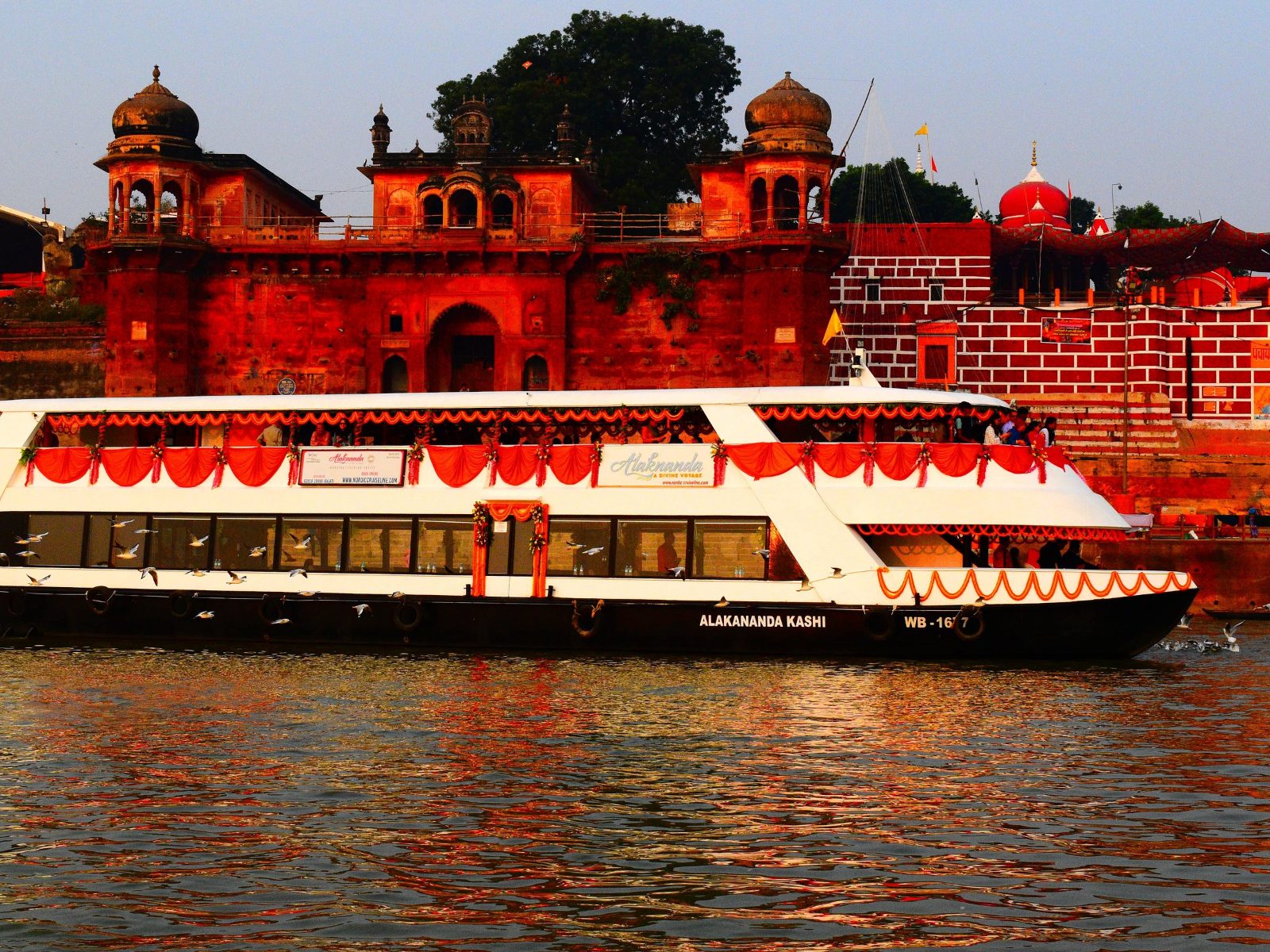
Daytime or evening
Frame the vessel’s structure against the ancient sandstone buildings for a sense of scale.
The best time to capture photos is during the sunrise or evening aarti hours, which align with the best arrival window of 09:00–19:00. These periods offer soft natural light and the highest levels of cultural activity along the Ganges.
Cool, 15°C to 25°C. These months provide clear skies and comfortable temperatures for outdoor photography.
Hot, 30°C to 45°C. Early morning light is harsh but provides high contrast for architectural shots.
Humid, 25°C to 35°C. Monsoon rains create unique reflections, though lighting can be unpredictable and overcast.
—. The soft glow of dawn or the evening lamps provides optimal illumination for subjects on the ghats.
Verdict: The best time for photography is during the cooler months of October or November, specifically choosing the sunrise hour for balanced, soft light.
The cruise operates daily to accommodate photography schedules along the Ganges River. You may plan your visit according to the following consistent weekly timetable.
The cruise departure point is located at Sant Ravidas Ghat, Nagwa, Lanka, Varanasi. The most reliable approach for visitors carrying photography equipment is by taxi or pre-booked private transport directly to the ghat entrance.
Direct drive via Ravidas Park road to Sant Ravidas Ghat
Route to Nagwa, Lanka; disembark at Sant Ravidas Ghat
Walk from Lanka or BHU gate to Sant Ravidas Ghat
Arrive within the recommended window of 09:00–19:00 to ensure adequate time for equipment setup before departure. Coordinate drop-off at the main entrance of Sant Ravidas Ghat to minimize walking distance with camera gear.
Everything you need to know about varanasi cruise photos
You are generally permitted to bring cameras to capture varanasi cruise photos throughout your journey along the Ganges River. Please be mindful of other passengers while navigating the deck to get your shots.
The base price for the standard luxury cruise experience is 1,000 INR per person. This fee grants you access to the vessel for the duration of the scheduled transit.
The best arrival window is 09:00–19:00, which allows for optimal natural lighting. This timeframe is ideal for those planning to document sunrise or evening rituals along the ghats.
Yes, the vessel positioning provides an excellent vantage point for varanasi cruise photos during the evening aarti ceremony. The illumination from the diyas and the atmosphere offer unique opportunities for high-quality images.
The cruise departs from Sant Ravidas Ghat, Nagwa, Lanka, Varanasi, Uttar Pradesh, India. You may reach this location via local taxi or auto-rickshaw services available throughout the city.
While hand-held photography is standard, large professional equipment like tripods may be restricted due to limited deck space and passenger safety. It is advisable to use compact gear to ensure your varanasi cruise photos do not disrupt the experience of others.
The cruise is open to families and provides a stable platform for photography on the Ganges. It serves as a comfortable way for all ages to view the ancient city landmarks from the water.